No products in the cart.
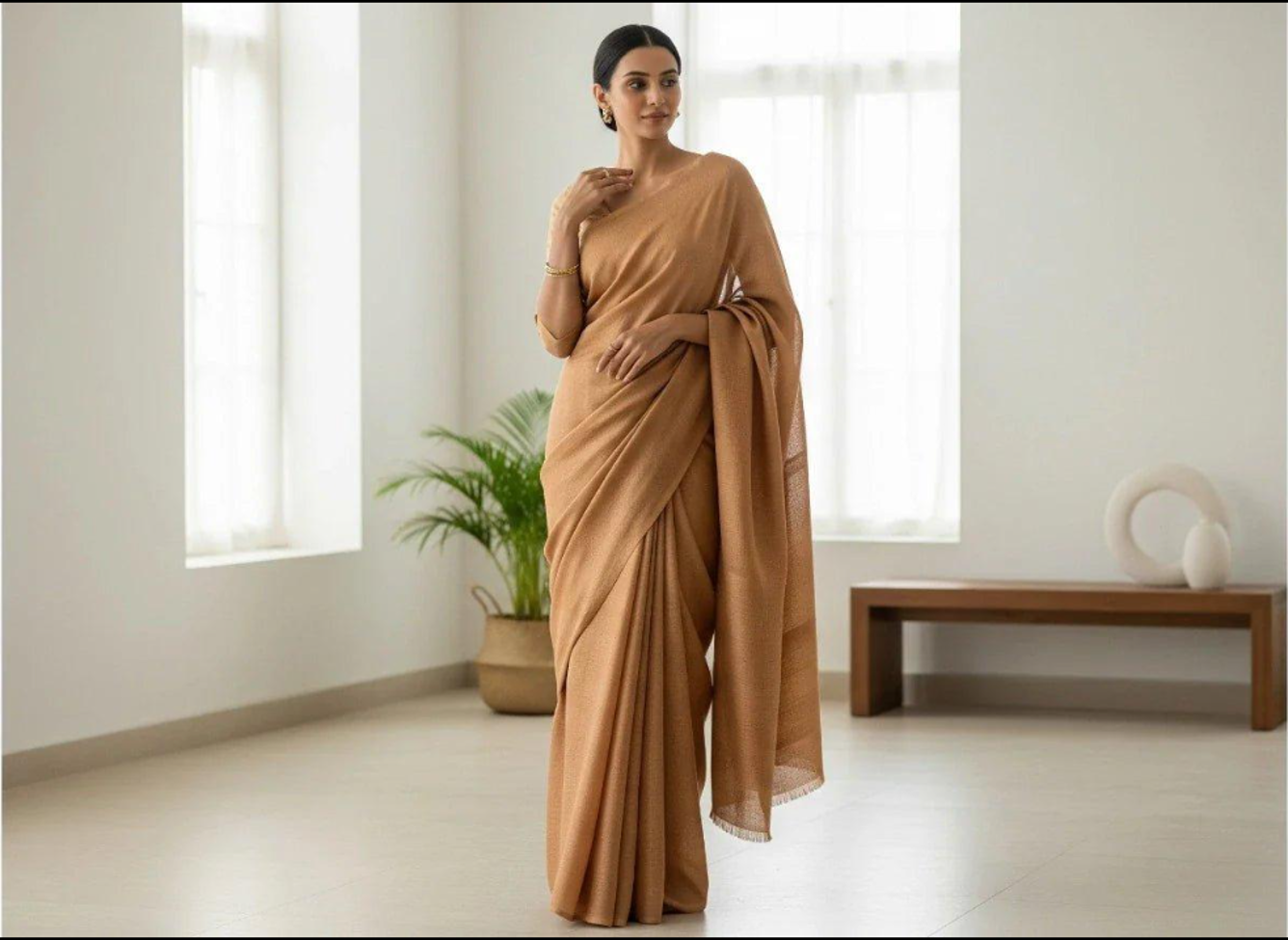
Why Linen Is Becoming a Year-Round Wardrobe Essential
There’s reason your grandmother’s linen sarees still hold their shape after decades in the almirah while last season’s polyester top is already pilling. Linen has quietly outlasted every fabric trend thrown at it, and in 2026, it’s not just a summer fabric anymore. Women across India are reaching for it in October, in December, even during those oddly warm February afternoons. If you have been noticing more premium linen clothing in India on your feed lately, you are not imagining things. This is a real shift in how Indian women are building their closets, and it’s worth understanding why.
The Fabric That Refuses To Fade Out
Linen comes from the flax plant, and honestly, that origin story is part of why people trust it. It’s not a lab creation. It breathes, it softens with every wash, and it has this slightly rumpled texture that somehow always looks intentional rather than messy. Fashion editors have been calling it elevated ease for a couple of years now, and the label fits.
What’s changed recently is not the fabric itself. It’s how brands are cutting it. Structured shirts, tailored trousers, co-ord sets, midi dresses with clean lines instead of the flowy, beachy silhouettes linen used to be stuck with. That shift matters because it opened the door for linen to move from vacation fabric to everyday closet staple, including for office wear.
Why It Works Every Season, Not Just Summer
People assume linen is a hot-weather fabric only, and sure, it’s brilliant in heat because of how it moves air against skin. But the same weave that keeps you cool in May also traps a surprising amount of warmth when layered in winter. A linen shirt under a wool blazer in December works better than most people expect. The natural fibers regulate temperature instead of fighting it.
There’s also the durability angle nobody talks about enough. A well-made linen piece, if cared for properly, can outlast three or four fast fashion purchases combined. That’s not marketing talk either. Textile researchers have long noted that flax fibers are among the strongest natural fibers used in clothing, stronger than cotton in raw tensile strength, which is part of why old linen tablecloths and shirts survive generations while cheaper cotton blends fray within a year.
The Shift Toward Considered Wardrobes
There’s a bigger cultural thing happening here too. More women, especially in cities like Mumbai, Bangalore, and Delhi, are actively trying to buy less but buy better. Closets are getting smaller in the sense that people are choosing fewer, more versatile pieces instead of hoarding trendy items that get worn twice and forgotten. This is where minimalist fashion women India searches have been climbing steadily on Google Trends over the past two years, and it lines up with what stylists are seeing in real client wardrobes.
Linen fits this mindset almost too perfectly. A neutral linen shirt pairs with tailored pants for the office, tucks into a skirt for dinner, and layers under a jacket when it’s chilly. One piece, several outfits. That’s the whole point of a considered wardrobe, and linen just happens to be built for it.
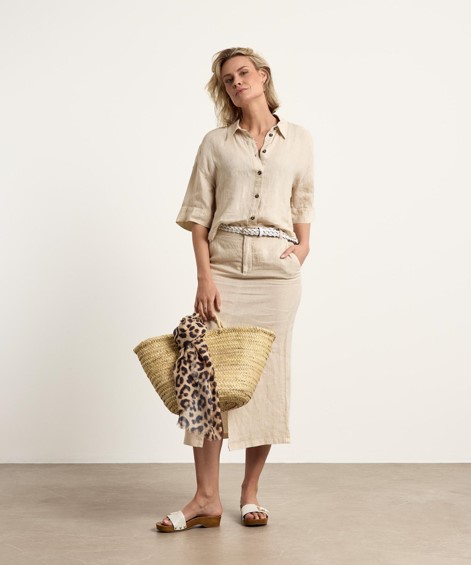
What Makes A Linen Piece Actually Premium
Not all linen is created equal, and this is where a lot of buyers get confused. Cheap linen blends often mix in polyester to cut costs, which kills the breathability that makes linen worth buying in the first place. Genuine, well-woven linen has a particular weight and drape you can feel the moment you touch it. It should hold structure without stiffness.
A few things separate quality linen from the rest:
- Weave density: Tighter weaves resist wrinkling better and last longer through repeated washes.
- Fiber source: European flax, particularly from Belgium and France, is widely considered the gold standard for softness and strength.
Beyond the fabric itself, construction matters just as much. French seams, reinforced stitching at stress points, and proper hemming all decide whether a linen garment survives five years or five washes.
Building A Capsule Around Linen
Stylists working with Indian clients have started recommending a small rotation of linen basics rather than a full seasonal wardrobe overhaul. The logic is simple. A linen shirt, a pair of tailored linen trousers, and one structured dress can realistically cover office days, weekend brunches, and even semi-formal evenings with the right accessories.
This approach also ties back to the idea of premium basics for women that do not need constant replacing. Instead of buying eight cheap tops a season, the shift is toward two or three well-made pieces that actually earn their price tag through repeated wear. It’s a slower way of shopping, but it tends to save money over a year or two, not just closet space.
A Quick Way To Test Quality
Before buying, scrunch a small section of the fabric in your hand and let go. Genuine linen wrinkles immediately but the wrinkles feel soft, not crunchy or plasticky. If it springs back too smooth and unwrinkled, there’s likely synthetic fiber mixed in, and it probably won’t breathe the way real linen does. Also check the inside seams. Loose threads or uneven stitching are early warning signs the garment won’t hold up long term.
Conclusion
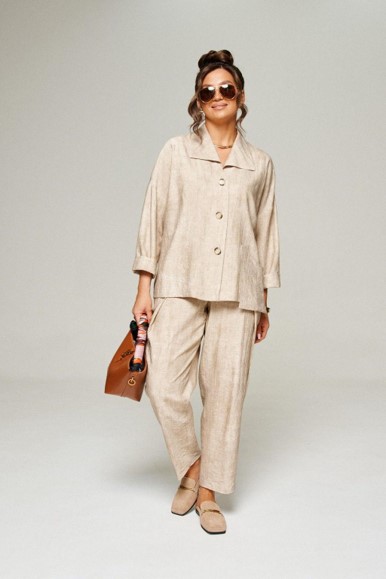
Building a wardrobe around fewer, better pieces is not a passing trend, it’s becoming the default for women who are tired of replacing clothes every few months. Linen sits right at the center of that shift, offering comfort, durability, and a kind of quiet polish that does not need explaining. If you are looking to add pieces that actually hold up season after season, Cavenor tailored linen edit is a good place to start.
FAQs
Is premium linen clothing in India worth the higher price compared to cotton?
Generally, yes, if you’re buying it for longevity. Linen tends to outlast cotton in structure and shape retention, especially with proper care, which balances out the higher upfront cost over time.
Can linen actually be worn comfortably in Indian winters?
Yes, when layered correctly. A linen shirt under a jacket or cardigan works well because the fabric regulates temperature rather than trapping heat like synthetics do.
What should I look for to spot genuine minimalist fashion women India brands are offering right now?
Look for neutral tones, clean tailoring, and versatile pieces that can be styled multiple ways, rather than trend-driven prints or heavy embellishment.
How do I keep linen basics from looking overly wrinkled through the day?
A light steam before wearing helps, and choosing tighter-weave linen reduces excessive creasing. Some wrinkling is normal and part of linen’s natural texture, not a flaw.