No products in the cart.

How to Style Business Casual Outfits for Women: A Modern Guide for the Office
Navigating professional wardrobes often feels like solving a daily puzzle. Traditional formal suits are no longer mandatory in most modern workplaces, yet casual weekend clothes are still far too relaxed. This balance is where business casual outfits women depend on every day come into play, offering a smart blend of structure, comfort, and personal style.
Modern office environments demand clothing that transitions smoothly from morning meetings to late afternoon projects. We understand that putting together an ensemble should not feel like an extra chore before sunrise. By focusing on essential wardrobe pieces, accurate fit, and simple layering methods, setting up a sharp weekly lineup becomes entirely straightforward.
Understanding the Essentials of Western Office Wear
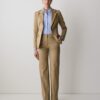
Establishing a versatile wardrobe starts with choosing foundational items that pair easily together. High-quality Western office wear women choose typically includes structured trousers, tailored blazers, crisp button-down shirts, and elegant midi skirts. Investing in clean lines and neutral shades creates a base that simplifies morning choices.
Key Base Pieces to Own
- Tailored Trousers: High-waisted, ankle-length pants in navy, black, or beige offer immediate polish.
- Classic Blazers: A single-breasted blazer creates structure over simple tops without feeling stiff.
- Neutral Tops: Silk blouses, fine-knit sweaters, and cotton button-downs mix smoothly with any bottom piece.
- Structured Skirts: Pencil or A-line skirts ending near the knee maintain formal proportions while allowing movement.
Smart wardrobe choices rely on flexibility. When base items share a unified color scheme, combining different pieces requires very little daily effort.
Smart Layering Techniques for Everyday Office Wear
Layering is the easiest way to add depth to your outfits while adapting to indoor temperature changes. A basic combination of a top and trousers transforms completely when you add an unstructured jacket or a tailored cardigan.
Mixing textures prevents neutral outfits from looking flat. For example, pairing a smooth silk blouse with a textured wool blazer introduces clean contrast while maintaining professional standards.
Effective Combinations for the Workweek
- The Classic Blazer Pair: Combine tailored trousers with a crisp white shirt and a contrasting blazer for high-visibility meetings.
- Knitwear and Trousers: Wear a lightweight crewneck sweater over a collared shirt for cooler office days.
- Midi Dress and Belt: Choose a solid-colored sheath dress and layer it with a structured blazer or an elegant belt.
These combinations deliver reliable polish across varied work settings, keeping you prepared for scheduled presentations or impromptu discussions.
Elevating Your Look with Stylish Work Outfits

Building stylish work outfits women love to wear involves careful attention to fit and subtle accents. Well-fitted clothing always appears more intentional than oversized or overly tight options. Small adjustments, such as tailoring sleeve lengths or pant hems, immediately lift the overall presentation.
Accessories should remain purposeful and subtle. Leather loafers, low block heels, minimalist jewelry, and structured tote bags enhance an ensemble without causing distractions during business interactions.
Quick Styling Tips
- Choose Balanced Silhouettes: Pair wider trousers with fitted tops, or slim-fit pants with relaxed blouses.
- Focus on Quality Footwear: Pointed-toe flats and classic leather pumps provide comfort without sacrificing elegance.
- Keep Accessories Minimal: A simple watch and delicate stud earrings complement professional attire effectively.
Focusing on these smaller details ensures your overall appearance remains refined, comfortable, and ready for any professional task.
Navigating Color Palettes for Professional Settings
Selecting the right color combinations plays a major role in defining the overall tone of an ensemble. Neutral tones like charcoal, beige, navy, and ivory serve as dependable foundation colors that naturally blend. Introducing soft pastel shades or jewel tones through blouses or thin knitwear adds personality while preserving a clean appearance suitable for quiet office environments.
Adapting Business Casual Across Seasons

Workplace wardrobes need subtle adjustments as weather shifts throughout the year. Summer calls for breathable fabrics like cotton blends and lightweight linen, while winter demands soft wools and layering pieces that hold warmth without adding excessive bulk.
Seasonal Fabric Guide
- Spring and Summer: Cotton, lightweight silk, rayon, and fine linen blends keep outfits fresh and breathable.
- Autumn and Winter: Merino wool, cashmere, thick cotton twill, and structured knits offer insulation against cold drafts.
Selecting seasonal fabrics keeps you comfortable during commutes while maintaining clean lines inside air-conditioned or heated offices.
Choosing the Right Footwear for Comfort and Style
Footwear bridges the gap between functional day-long comfort and a polished exterior. Closed-toe leather flats, tailored loafers, and supportive low block heels deliver a refined silhouette without causing physical strain during long workdays. Opting for neutral shoe shades ensures smooth coordination across various outfits, keeping your overall look unified and intentional from morning commutes to evening duties.
Transitioning Outfits from Day to Evening
Work schedules often extend beyond standard office hours into dinner meetings or team events. Modifying a business casual look for evening settings simply requires swapping out daytime accessories for slightly bolder pieces or removing structured outer layers. Replacing a large tote bag with a sleek clutch and adding a vibrant lipstick effortlessly transforms your workday attire into a relaxed evening look.
Fabric Care and Maintenance for Lasting Quality
Maintaining the crisp appearance of your clothing depends heavily on proper fabric care routines. Garments made from wool blends, silk, or high-grade cotton retain their shape and color much longer when washed according to specific fabric instructions. Regularly steaming clothes, using proper hangers, and attending to minor loose threads keep your foundational wardrobe looking fresh and crisp month after month.
Conclusion
Achieving a polished daily look does not require a closet full of complex choices. By focusing on timeless cuts, thoughtful layering, and quality fabrics, building a reliable professional wardrobe becomes a seamless routine. At The Complete World, we share modern fashion guides and practical lifestyle insights designed to help you present your best self every day with absolute confidence.
Frequently Asked Questions
What defines business casual for women in modern offices?
Business casual combines traditional professional garments like blazers, trousers, and blouses with comfortable items like fine knits or tailored flats, avoiding overly formal suits as well as overly casual jeans or athletic wear.
Are jeans appropriate for a business casual dress code?
Dark-wash jeans without distressing or raw hems are often accepted in modern business casual settings when paired with a structured blazer, a neat blouse, and professional footwear like loafers or heels.
How can I make simple office outfits look more stylish?
You can elevate simple outfits by focusing on proper tailoring, adding structured outer layers like blazers, incorporating high-quality leather footwear, and using minimal jewelry to create a clean aesthetic.
What are the best shoes for business casual work environments?
Leather loafers, pointed-toe flats, block heels, and classic pumps are ideal choices because they deliver a polished appearance while providing necessary comfort for long workdays.